NTU × NYCU × SOS
Ecotone/ˈɛkəˌtoʊn/ n. the zone where two ecosystems meet兼容並續
Above ground, a series of talks.
Below it, the web that joins them.
- Syuan-Jyun Sun → Ecology, Climate, Taiwan
- Wei-Ping Chan → Ecology, Climate, Technology, Taiwan, USA
- Na Yen → Literature, Taiwan
- SALAD Dressing → Landscape Design, Ecology, Singapore
- Hank Wang → Medicine, Technology, Taiwan, Japan
The most important exchanges in a forest happen out of sight. Trees pass nutrients and signals to one another through mycorrhizal networks (the wood wide web), and these networks connect different species too.
Ecotone sets out to do the same thing: to wire literature, law, medicine, electrical engineering, fisheries and more together beneath the surface. Hover over a mushroom above ground (or focus one with the keyboard) to see where each speaker connects.
LwLawAgAgriculture“Does soil have rights?”
Plate II: Why Ecotone On the edge effect
- 兼容並續
- jiān róng bìng xù n.
- A play on the Chinese idiom 兼容並蓄: to take in all manner of different things, side by side.
- One character is swapped for its homophone, 蓄 (to store) for 續 (to continue): embracing every field and identity, sustaining what lasts, so that sustainability itself can endure.
- Its English name, Ecotone: the transition zone where two ecosystems meet, such as a riverbank, a tidal flat or a forest edge. These are often the places richest in species, a phenomenon known as the edge effect.
e.g. Where the dentist’s chair meets the carbon footprint, there is an ecotone.
Swap the forest for medicine and the grassland for literature, and the curve still holds.
The most interesting ideas are rarely born at the centre of a discipline. Ecotone creates these edges on purpose, and keeps them coming, regularly and for the long term: volume by volume, it places people from different fields and countries on the same plate.
Plate III: Atlas of Crossings
Every speaker stands on a border: on one side their discipline, on the other the places where they work. Hover over a name (or focus it with the keyboard) to see who joins which worlds together; click it to read about the speaker. With every volume, the atlas grows a little.
Vacant fields History, Finance, Law, Politics, Electrical Eng., Mechanical Eng., Agriculture, Fisheries, Sports, Music, Fine Arts, Dance, Education
Plate IV: Latest volume Volume I · Sustainable Urbanization? Rewilding?
Volume I
Sustainable Urbanization? Rewilding?How cities and nature might share the same ground
Five speakers, twelve identities. From insects in the city, artificial light at night and how humans have recorded nature, to rewilding, closing with a shared conversation, one question runs through the evening: can cities grow sustainably, or should some of the land go back to nature?
Two sessions on two days: Monday 16 November, 18:30–21:00, at NTU’s Gongguan campus, and Tuesday 17 November, 13:30–16:30, at NYCU’s Hsinchu campus. Register below.
Sessions NTU session Mon 16 November 18:30–21:00 · NYCU session Tue 17 November 13:30–16:30
Speakers in this volume
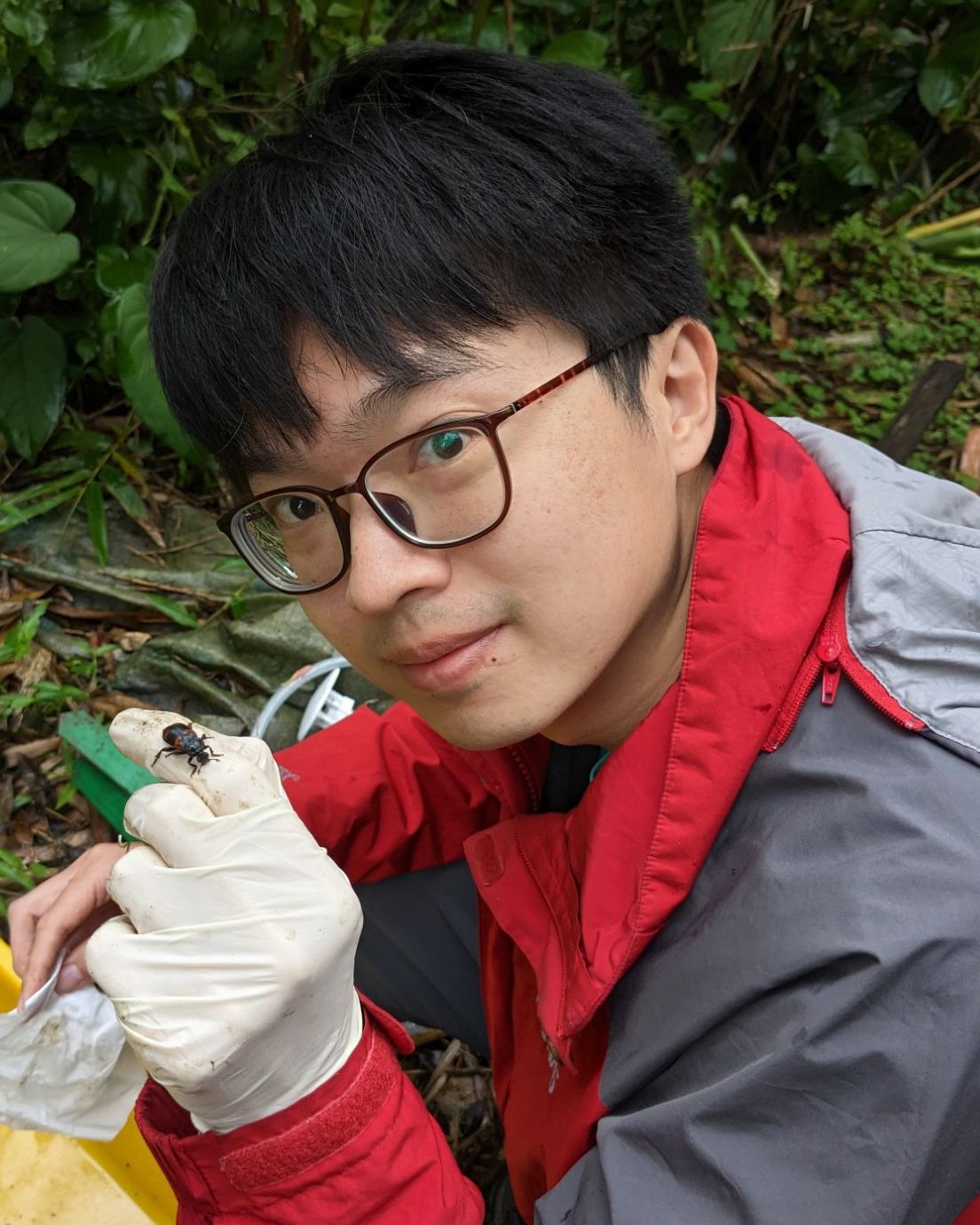
- ECO-S-01Syuan-Jyun SunClimate Change · NTUEcologyClimate
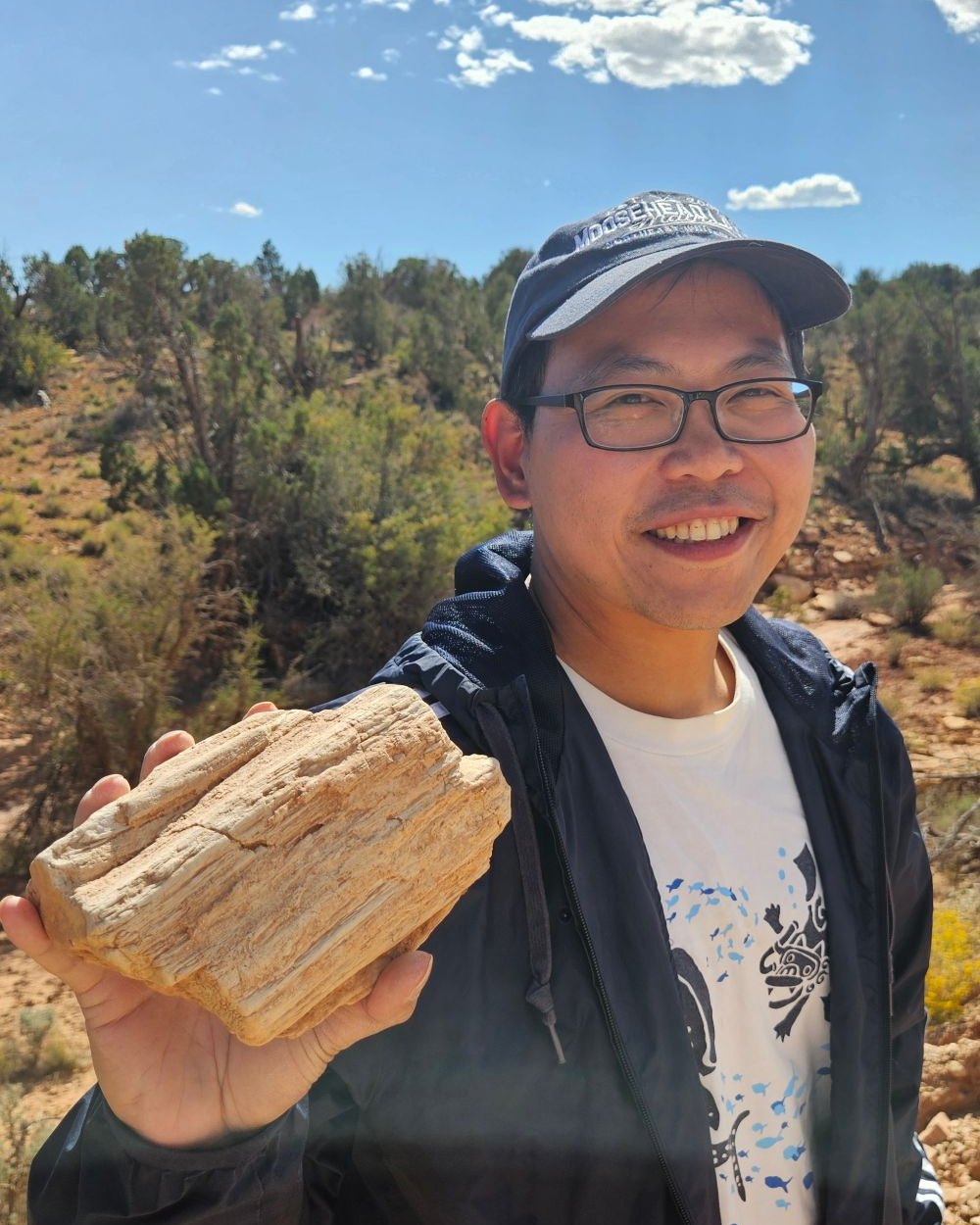
- ECO-S-02Wei-Ping ChanSOS · BioNarr · HarvardEcologyClimateTechnology
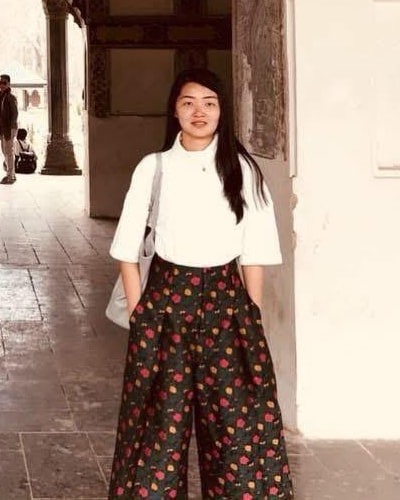
- ECO-S-03Na YenLiterature · NDHULiterature

- ECO-S-04SALAD DressingLandscape Architecture · SingaporeLandscape DesignEcology


- ECO-S-05Hank WangDentistry · OMIC · SustainabilityMedicineTechnology
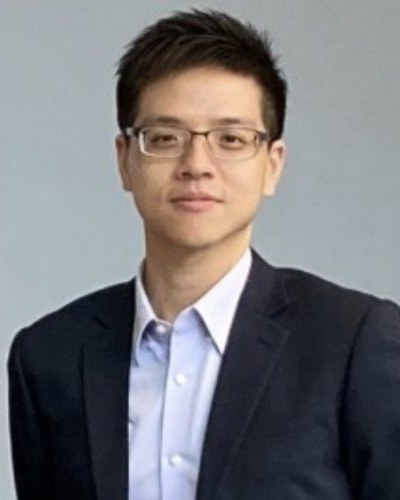
Plate V: Call for Speakers
Do you, too, carry more than one label?
We are looking for speakers who are interdisciplinary and have a real connection to sustainability or nature: people who live in several worlds at once (between the lab and the field, the clinic and policy, Taiwan and another country) and whose work genuinely touches the land, ecosystems or the transition to sustainability. If your work is itself a border, we would like to invite you to speak in the next volume.
- I.
- Your first field
- II.
- Your other identities
- LOC.
- Where you work
- ECO.
- Your link to sustainability or nature
- TALK
- The topic you would bring
det. ________ · Vol. ??
Atlas · Diverse Voices
Hopes that cross every kind of border
are a kind of pollination, too.
High school students and retired teachers, fishers and lawyers, Indigenous villages and cities: we ask people of different ages, genders, ethnicities, schooling, occupations and places to each record a short film about what they hope interdisciplinary sustainability can become, do or change. Put side by side, the hopes of different lives are interdisciplinary in themselves.
Open the Atlas- Sheet 01Cambridge, MA · USA42°22′N 71°07′W
- Sheet 02Singapore1°17′N 103°51′E
- Sheet 03Europe≈ 50°00′N 10°00′E
- Sheet 04Latin America≈ 12°00′S 62°00′W
Co-organizers
The forum was founded and is run jointly by these three organisations.
 National Taiwan University (opens in a new tab)National Taiwan University
 National Yang Ming Chiao Tung University (opens in a new tab)National Yang Ming Chiao Tung University
 SOS Foundation (opens in a new tab)SOS Foundation